Making Tamarind Paste
Is there a particular candy that evokes childhood memories for you? My most turbulent teenage years can be conjured up by the sweet, sour…
Is there a particular candy that evokes childhood memories for you? My most turbulent teenage years can be conjured up by the sweet, sour, and spicy flavor of Pelon Pelo Rico, a soft tamarind candy popular in Mexico. I grew up in East San Jose, a neighborhood in Santa Clara county, where diverse residents migrated from all over the world. Many of my friends were from Mexico, Vietnam, and the Philippines, so early on, I was exposed to cuisines outside of Chinese and American food.
Pelon Pelo Rico was probably the coolest candy you could eat, because it’s a fun candy that is almost like an activity — not like a lollipop you passively suck on. It is packaged in a colorful, short, fat, plastic syringe. When you remove the cap, it exposes a flat grid riddled with holes where the soft candy is extruded. You’d push the plunger at the bottom, and the candy grows out like tiny wiggly worms — like the snakes on Medusa’s head or Play-Doh’s Mini Crazy Cuts. When you were satisfied with the length, you would lick the top off (almost like you were giving it a haircut), and the tangy, sugary paste would melt in your mouth triggering a rush of endorphins.
I never thought about what Pelon Pelo Rico was made of (it was one of those tastes I just took for granted) until I tasted sugared tamarind at Aksorn, a modern Thai restaurant in Bangkok. It was a dimly lit restaurant with a quiet, romantic atmosphere. Despite the upscale vibe, our dinner was unpretentiously served family style. Perhaps because of this comforting, down-to-earth feeling I got, the tamarind candy concluding our meal triggered long lost memories, like the moment Anton Ego (the scary food critic in Ratatouille) was transported back to his childhood after tasting Remy’s ratatouille.
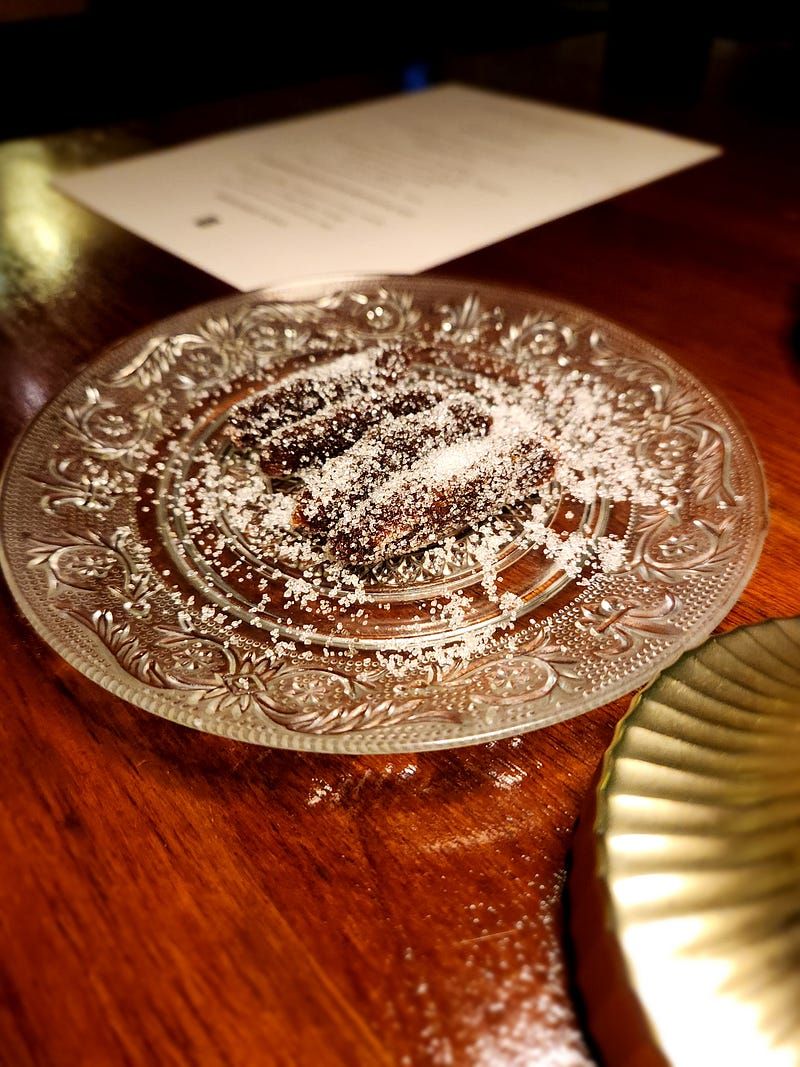
Four small pieces of sugared tamarind were served on a modest glass plate and encrusted with sugar crystals. When I went in to pick one up, I was expecting a candy that would be hard, but it turned out soft, like a gooey date paste. With just one bite, I started laughing out loud. I couldn’t believe how fast the taste could fire neurons that instantly teleported me back to my high school self licking on Pelon Pelo Rico. The talented chef who made this dish could not know how much joy this dish gave me. I couldn’t wipe the smile off my face. I might have been thousands of miles away from Mount Pleasant High, but for a brief moment, I was there. This is the power of food, of connecting our universal human experience.
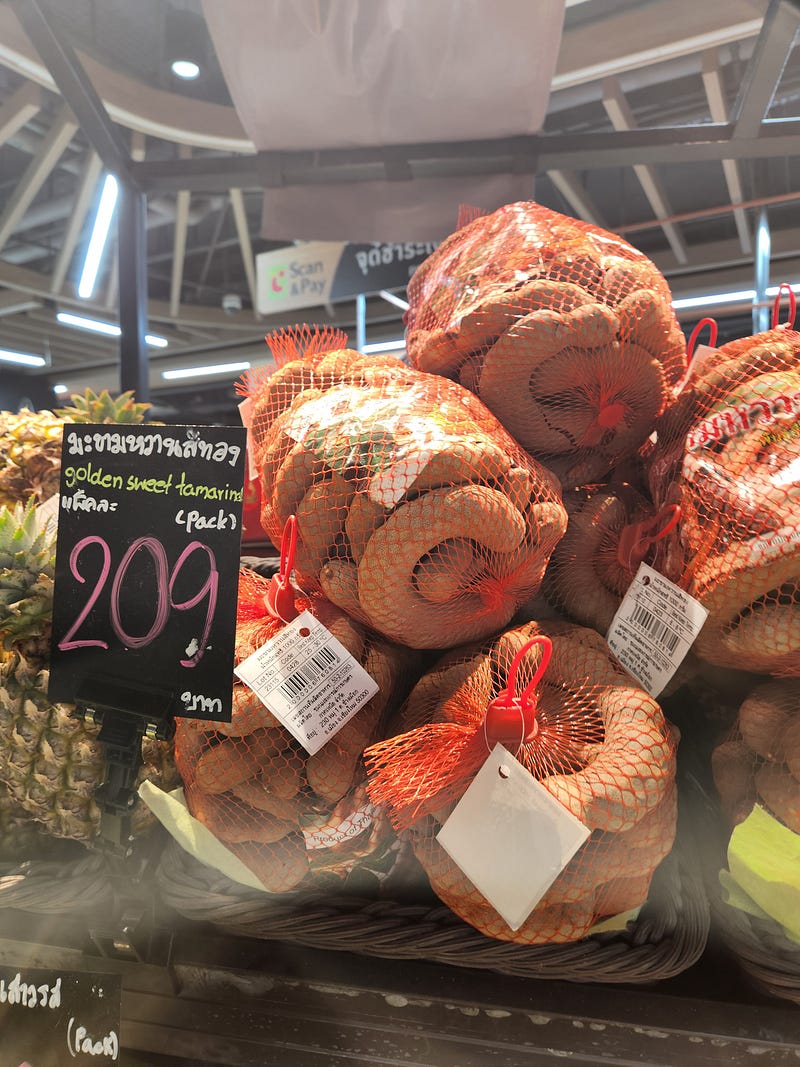
After realizing that the secret ingredient to Pelon Pelo Rico was tamarind, I suddenly became interested in trying the fresh tamarind pods at the grocery store. I’ve seen them occasionally at Asian grocery stores in California. They always came in a big sack of brown pods, like long, smooth-shelled peanuts.
Since tamarind isn’t commonly used in Chinese or American cooking, I never thought about buying any. However, tamarind is used extensively in Southeast Asia, a suite of cuisines I was still struggling with. Making tamarind paste from scratch seemed like daunting, unnecessary torture, especially when when compared to buying pre-processed tamarind paste ready in a glass jar.
While my restaurant experience motivated me to get to know tamarind more, I found myself thoroughly perplexed by the sack of golden sweet tamarind pods sitting on my kitchen counter. I stared blankly at it, not knowing where to begin. Thankfully, the internet is full of helpful information and I found that processing tamarind was straightforward, but I’d have to get my hands dirty.
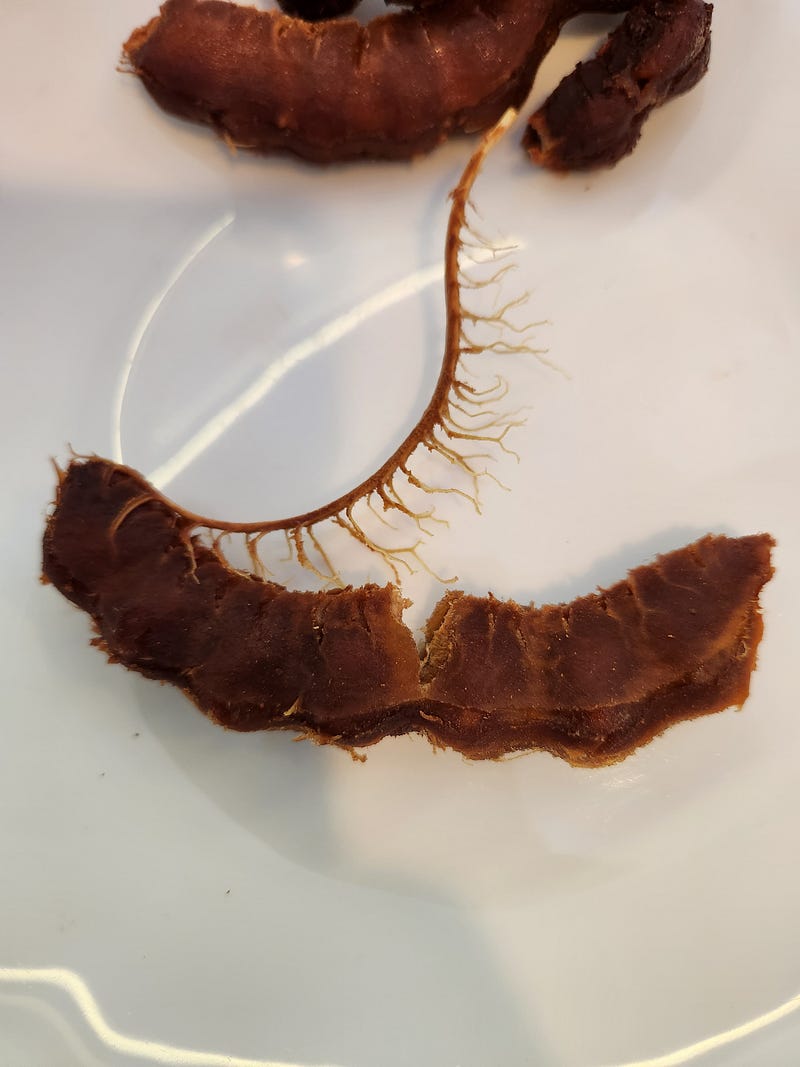
The first order of business was to remove the shells. Unlike a walnut, the shell is wafer thin and if you crack it right, you can pop it off in one motion, like cracking an egg. Inside, I found sticky flesh with fibrous strands holding the seeds and pulp in place. The next step was to remove the fibers, which surprisingly reminded me of my mother de-veining shrimp in the kitchen sink of my childhood home, another ancient memory dug up from the grave.
Once I finished the first two steps, the next step was to pour boiling water on top of the fruit and let it soak for ten to fifteen minutes. The rehydration process makes it easier to remove the pulp from the seeds. After soaking, you don’t pour off the water, you simply sink your hands into the bowl and start rubbing the fruits together to remove the pulpy flesh and discard the seeds. It’s a messy process, but worth it! In the end, you’re left with a fresh tamarind slurry that tastes far sweeter than the sour ready-made paste that makes you wince. If I had to guess, they add some sort of acidic preservative to keep it from spoiling. If you don’t like the idea of using your hands to massage the fruit, I get it. Alternatively, I would pop the mixture into a stand mixer with a paddle attachment to work at it, then strain the mixture to remove all the seeds and fibers. Theoretically, I think it should work, but don’t hold me to it.
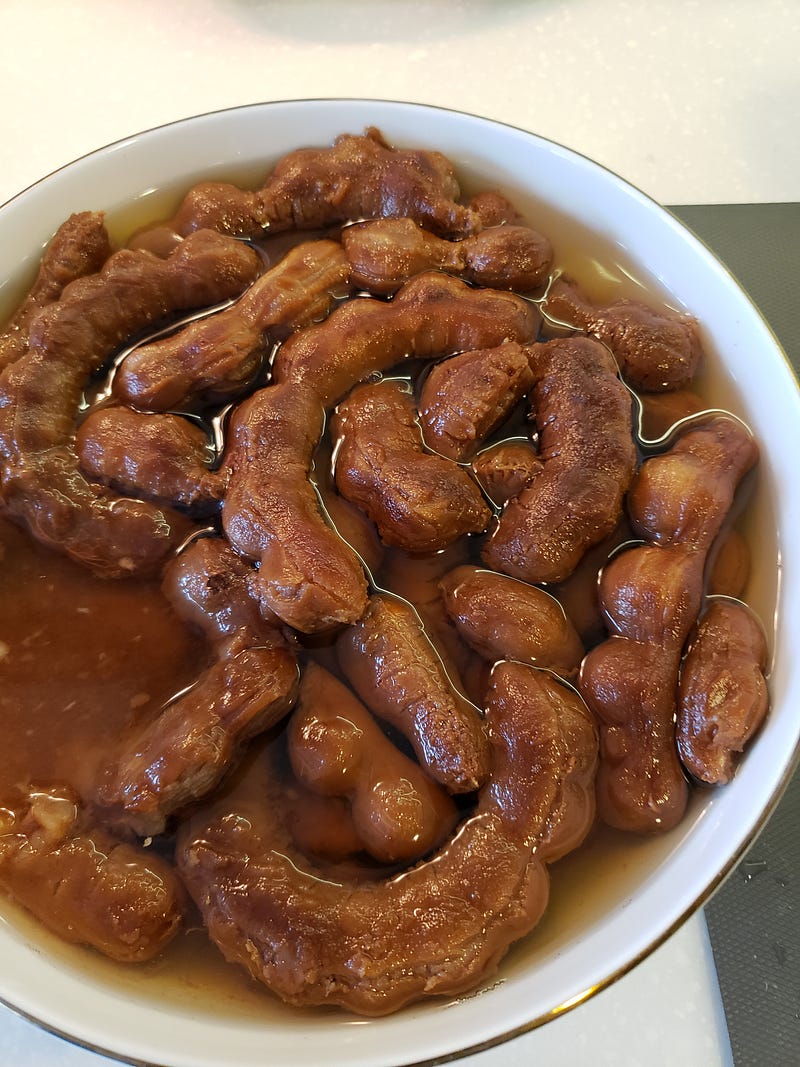
All in all, despite the tedious work involved with making tamarind paste, I found the experience enjoyable and relaxing. The sack of tamarind pods yielded about 3 cups of tamarind paste, which will be enough to make dozens of servings of phat thai (stir fry rice noodles) or Thai papaya salad.
But for right now, I’ll be making another trip down memory lane and whip up a batch of tamarind candy. I think the teenage-me would like that very much!