Coastal Hog Fennel (방풍나물)
Korea has a rich food culture, and I’m astounded by the variety of greens they eat. They seem to be very well-versed in the local…
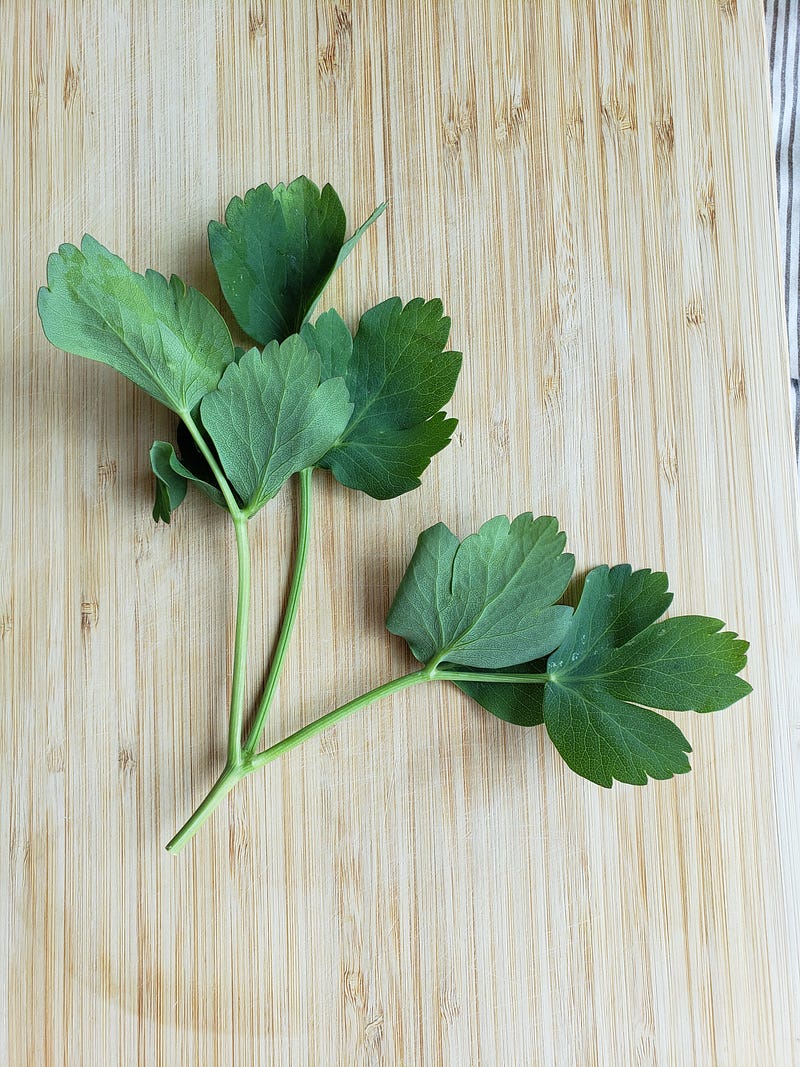
Korea has a rich food culture, and I’m astounded by the variety of greens they eat. They seem to be very well-versed in the local vegetation. I was surprised that my Korean friend recognized what was depicted in all the plant photos I took. I guess I was expecting the average American, who might not even be able to tell the difference between cilantro and parsley. Even our food education is subpar. It’s no surprise that our obesity rates are sky high. *sigh*
Obesity is a rare sight in Korea. Maybe it’s because they eat coastal hog fennel. Coastal what? Yes, I love the name too. Its scientific name is peucedanum japanicum and the Japanese call it the “grass of longevity.” According to an unattributed sentence on its wiki entry, the plant has phytochemicals that inhibit obesity in mice. I’ll take that with a pinch of salt, but it can’t hurt to try this plant right?
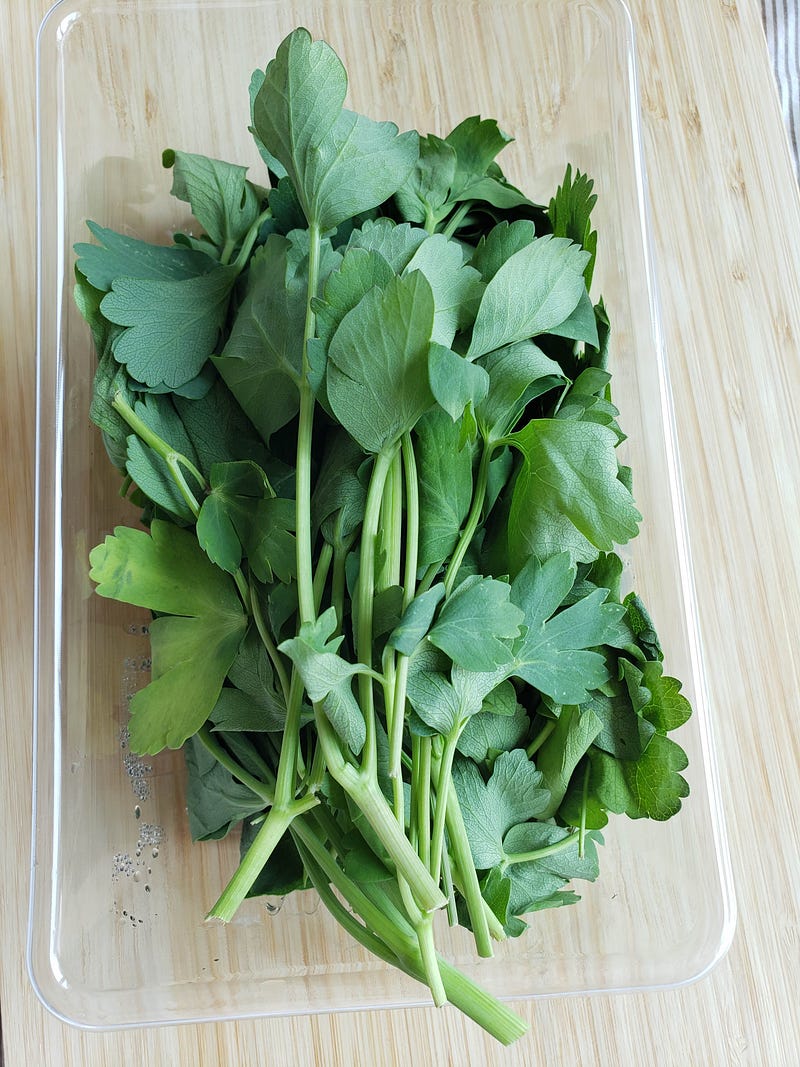
While the internet advised me to prepare it in the usual Korean style (soy sauce, vinegar, chili pepper, sesame oil, etc.), I didn’t want to overpower its flavor with these usual suspects. I decided to just blanch it in salted water. About one minute will do.
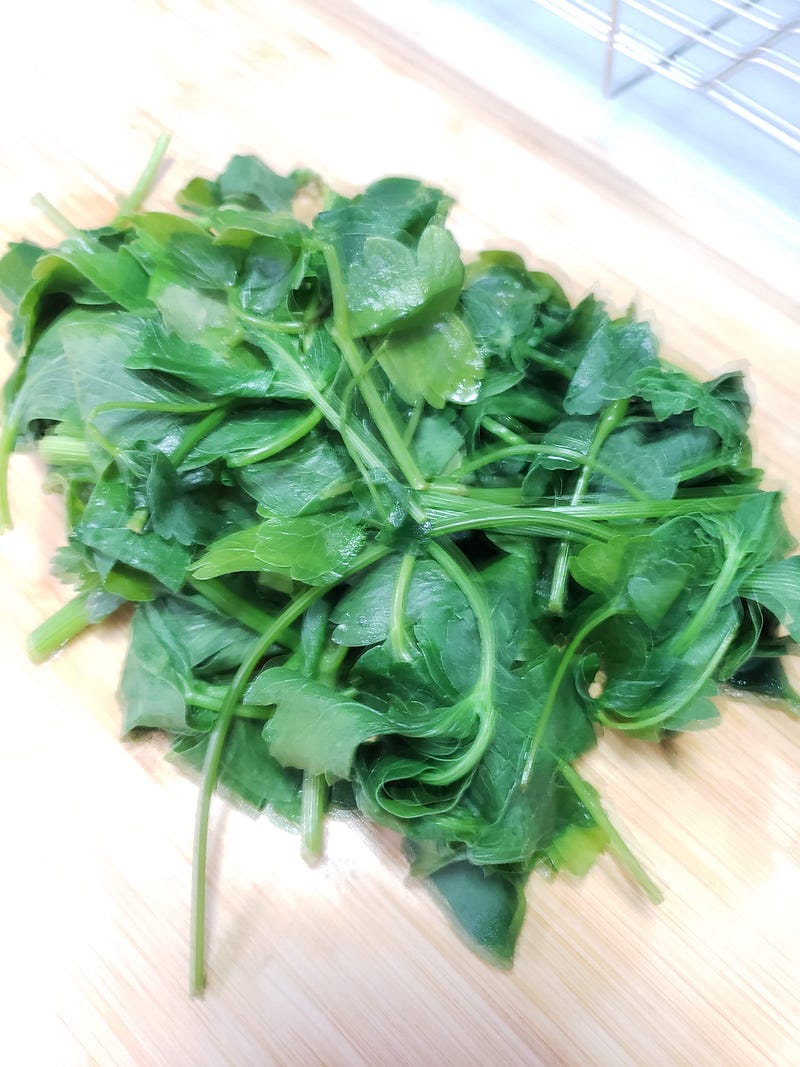
As soon as I dropped the leaves into the hot water, I immediately noticed its aroma. It triggered a childhood memory of raising silkworms. Silkworms subsist solely on mulberry leaves, and when you have pet silkworms you know the smell they give off. I don’t know if it’s the mulberry leaves themselves or if it’s the worm’s digestion of the leaves, but it’s a distinctive olfactory sensation. That is what coastal hog fennel smells like to me. It was a little off-putting to be honest. Anytime bugs are near the dinner table, I lose my appetite.
The texture of the leaves is like leathery spinach. The stems are like parsley stems (it’s actually part of the parsley family). It’s quite fibrous, a little bitter, a little grassy, and has a very slight minty aftertaste. It’s truly a unique experience! If I were to prepare it again, I would probably discard the stems and only eat the leaves. I can see it going very nicely in a tofu soup with a clear broth.