Cordyceps militaris (동충하초)
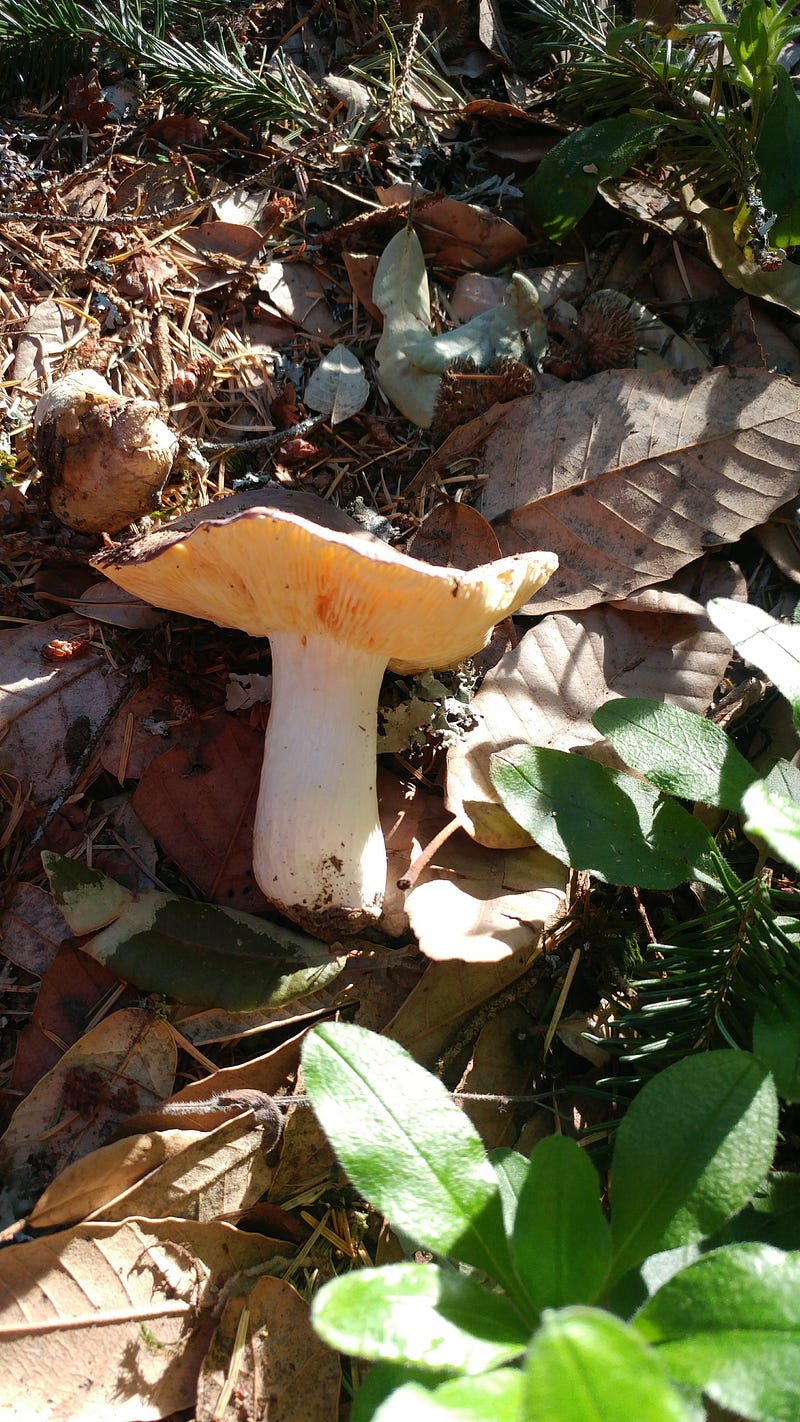
In the redwood forests of California, our neighbors have their own secret patches of chanterelles. If you don’t have your own patch, then…
In the redwood forests of California, our neighbors have their own secret patches of chanterelles. If you don’t have your own patch, then you are shit out of luck come chanterelle season. Chanterelles aren’t commercially cultivated because they cannot live except in symbiosis with very old fir trees. It takes years, perhaps decades, before they start producing those scrumptious fruiting bodies that we all desire. Hence, the hefty price tags you see at the gourmet grocery stores.
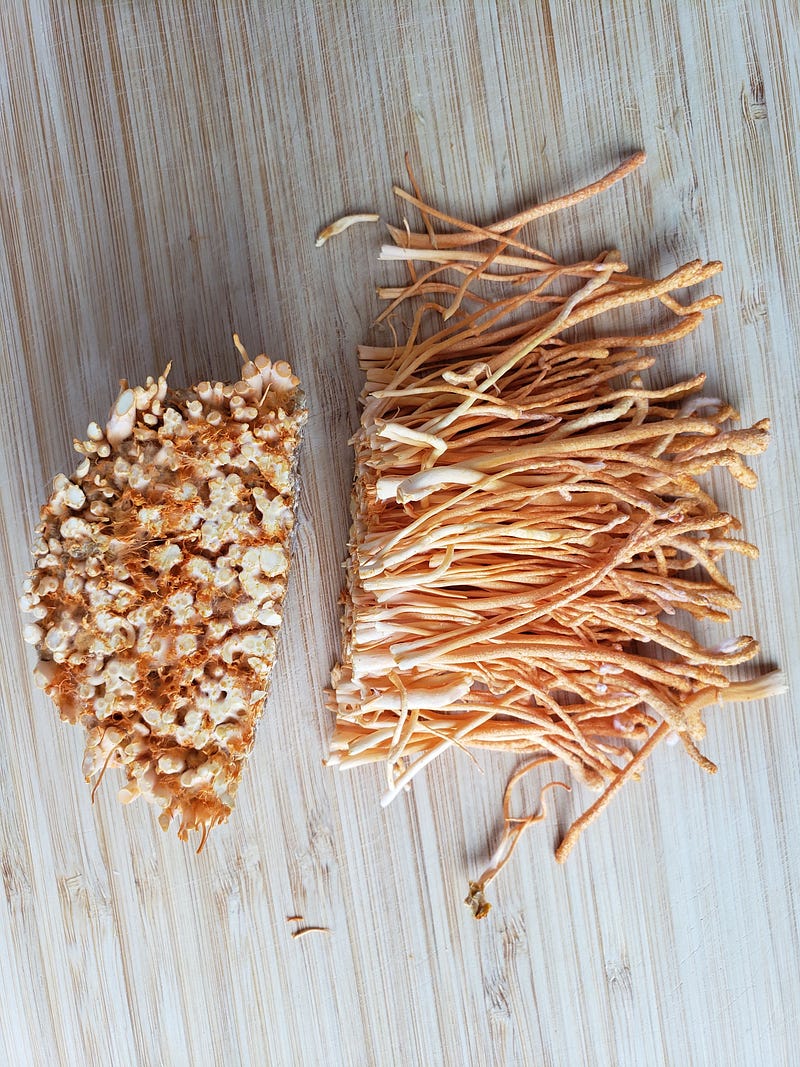
While I haven’t seen chanterelles in Seoul, they have another orangish fungi that’s equally expensive called Dongchunghacho (동충하초), known scientifically as cordyceps militaris.
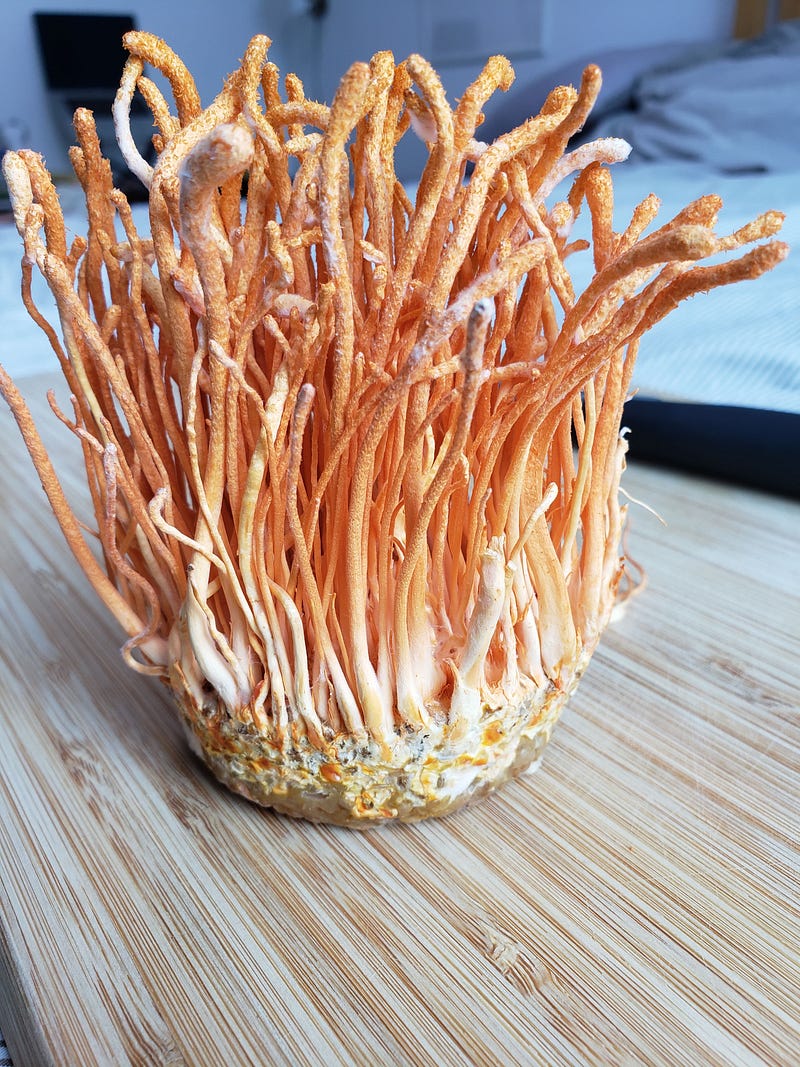
This one looks like something from a horror movie, because it kind of is like something from a horror movie. I don’t know what they do to cultivate this stuff, but it’s known as an entomopathogenic fungus. That’s a fancy word for mushrooms that eat insects. Woah, gross! I can’t eat braised silkworm pupae, but I’m willing to eat this? To be fair, I had no idea what this mushroom was until I started writing this post. When it comes to mushrooms, I’m always game. Too bad this mushroom was probably raised on silkworm pupae though.
In mushroom identification books, cordyceps militaris is classified as inedible, which is a shame, because that’s wrong and I have lived to tell you why you should eat it. While it doesn’t have a fragrance like a chanterelle, it makes up for it with its taste. I’ve never had a mushroom taste sweet before! It’s not sweet like a raisin or even a strawberry, but it delivers an unexpectedly sweet aftertaste after biting into a meaty, enoki mushroom texture. I could eat this by the bucketful if it wasn’t so… economically infeasible; it was $8 for what was essentially one morsel after cooking it.
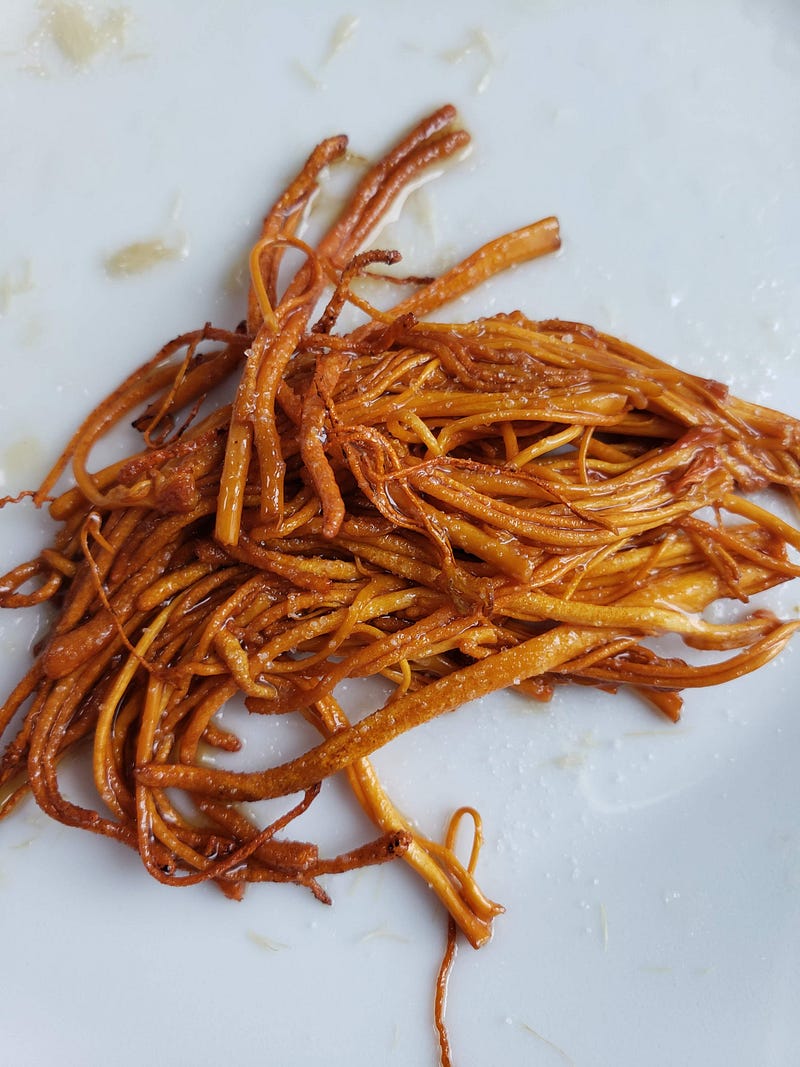
So how do Koreans eat this mushroom? Like any mushroom in their cuisine. It’s cooked with rice, japchae, soups, chicken, you name it. I think it would shine in their Joseon royal court cuisine. I can see it stuffed into a delicate crepe like gujeolpan or sitting on top of a fancy gimbap with some sweet and spicy gochujang. Gosh, I’m making myself hungry… until next time!