Jalandhar Express
When’s the last time you took a train ride? Maybe you commute on the train like President Biden, or you haven’t sat in one since you were a…
When’s the last time you took a train ride? Maybe you commute on the train like President Biden, or you haven’t sat in one since you were a wee child. However familiar you are with trains, something about train travel waxes nostalgic. It seems to evoke times when things were simpler and pure, when things didn’t move at supersonic speeds. It’s the same reason I love handwritten letters delivered by the post.
I wish the U.S. would invest more in our crumbling infrastructure. When a country is as large as India, China, or the United States, trains are a highly efficient form of travel. It’s a pity the U.S. has the largest network of rails by length, yet they are so underutilized as public transportation. Whenever I’m in the states, I feel like half my time is spent living in my car! I’d much rather be riding mass transit where I can prop open a book and read.
Furthermore, it’s frustrating to know that we lag so far behind on high speed rails and electrification — only 0.9% of our rails are electrified, compared to 85% in India! It’s comically pathetic. How many Americans do you know regularly commute on high speed rail? I don’t know a single friend who does. So, while the trains in India weren’t posh like a Belmond Royal Scotsman, at least they have a functional railway network that helps their citizens get from point A to point B in a vast country. I’ll take that over the dysfunction of traffic jams, long commutes, and poor air quality that are so typical in America any day.
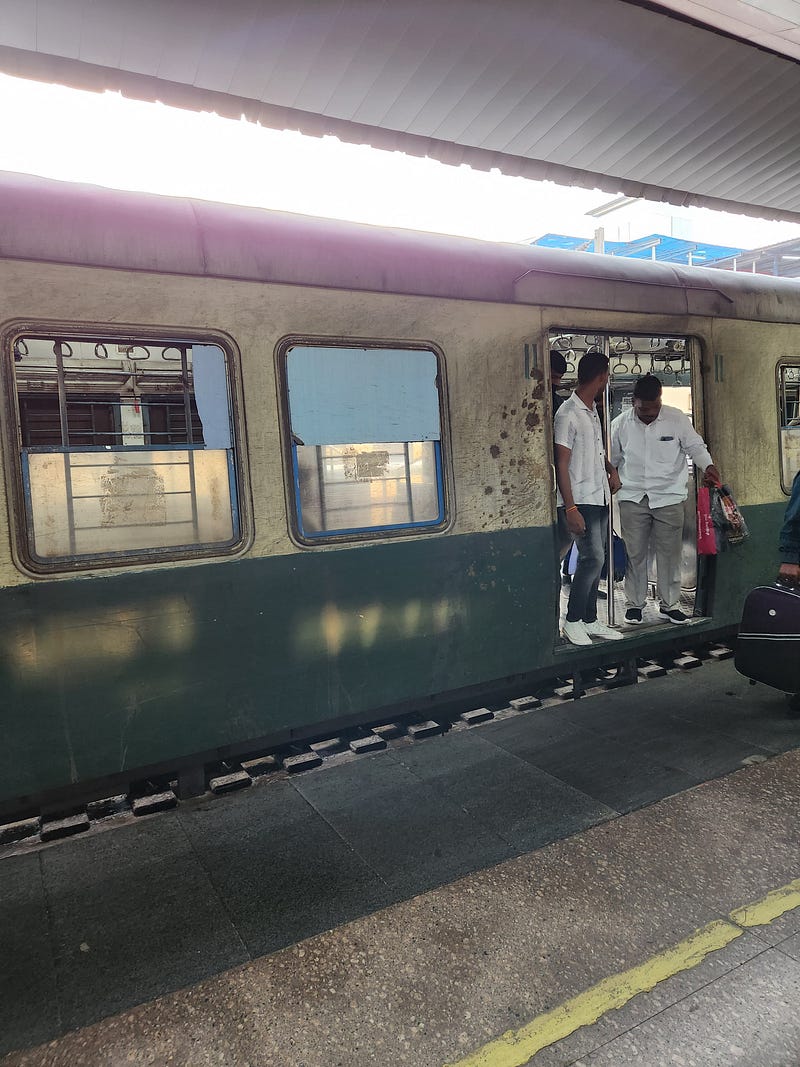
When we headed to Punjab — a northeastern state in India — about 400 kilometers (250 miles) from Delhi, the Jalandhar Express was our best bet and it made the trip so memorable, as all train rides do.
Arriving at the train station in the early morning, we found the New Delhi Railway Station was already chaotic and bustling. Just outside the station, the streets were jammed with porters wearing red shirts (their customary uniform), street vendors selling chaat, cars crammed in to pickup and drop off passengers, with all of it coming from every direction simultaneously. Once inside the station, it wasn’t any calmer. Even though everyone had to go through security, everything that breathed was allowed to enter, even your average, well-fed street dog.
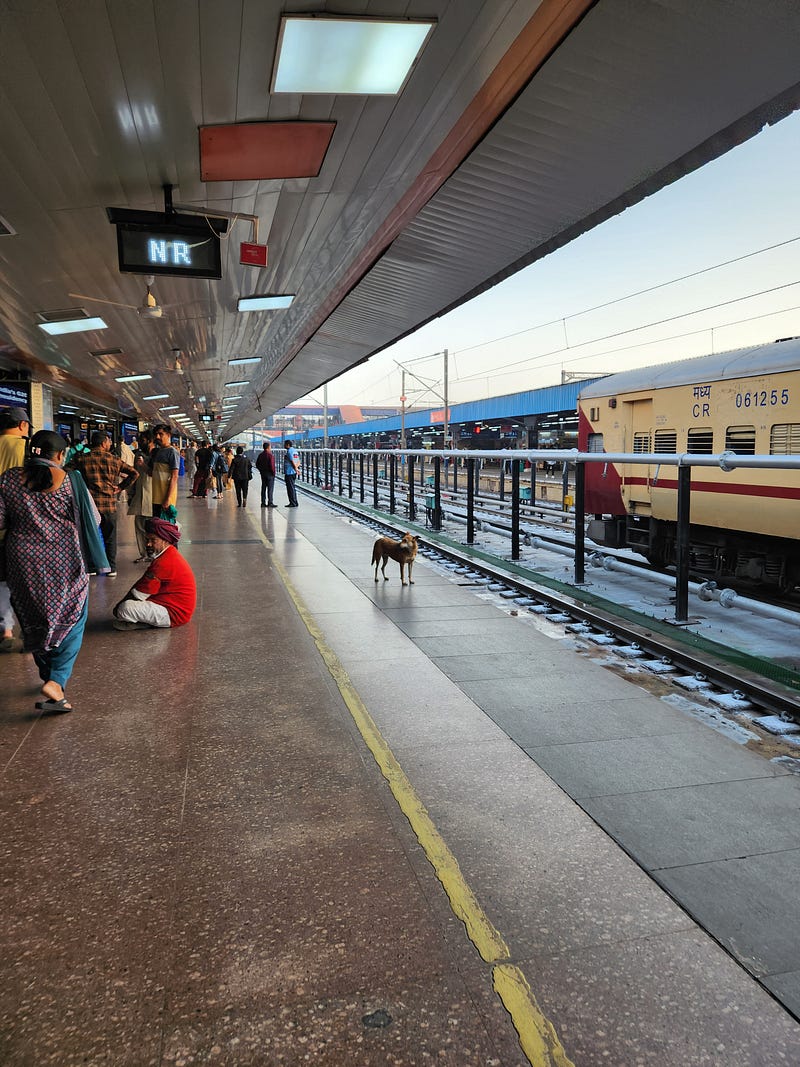
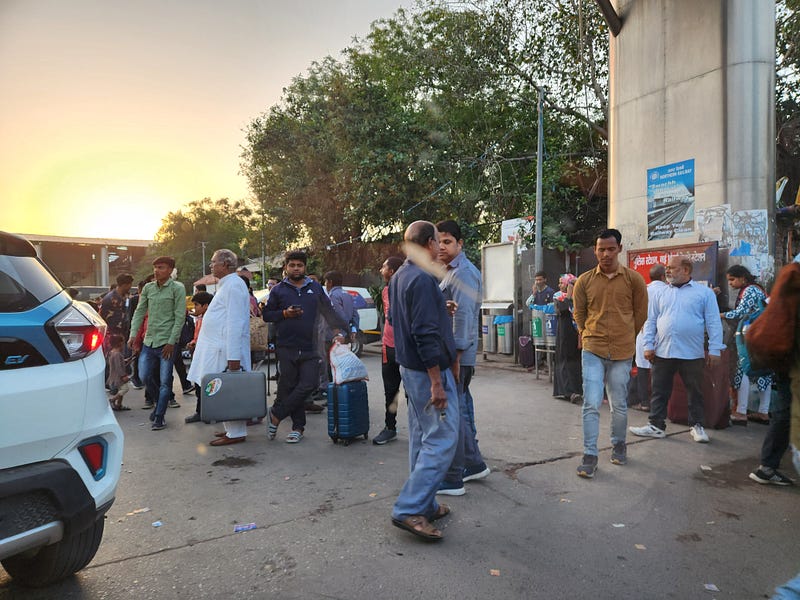
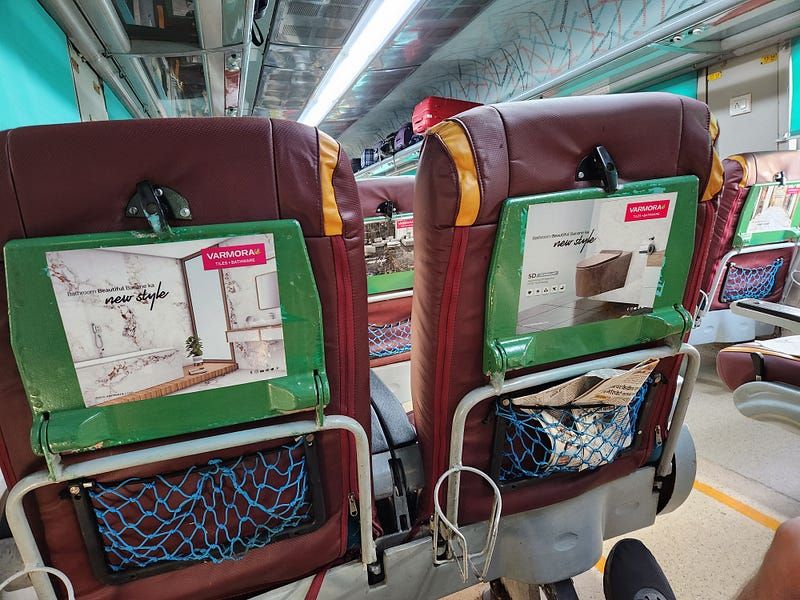
While hauling all of our luggage in the middle of the pandemonium, we were confused on how to board the train. I was afraid we’d board the wrong end and have to haul our luggage through the length of the train. Luckily, we quickly figured out our carriage number and located its appropriate boarding area. Since it wasn’t expensive, we booked “executive chairs” where the carriage had air conditioning (standard carriages weren’t air conditioned, which would’ve been a miserable 4 hour ride). While the “executive chairs” sounded fancy, the truth was that they were a bit shabby and in need of some TLC.
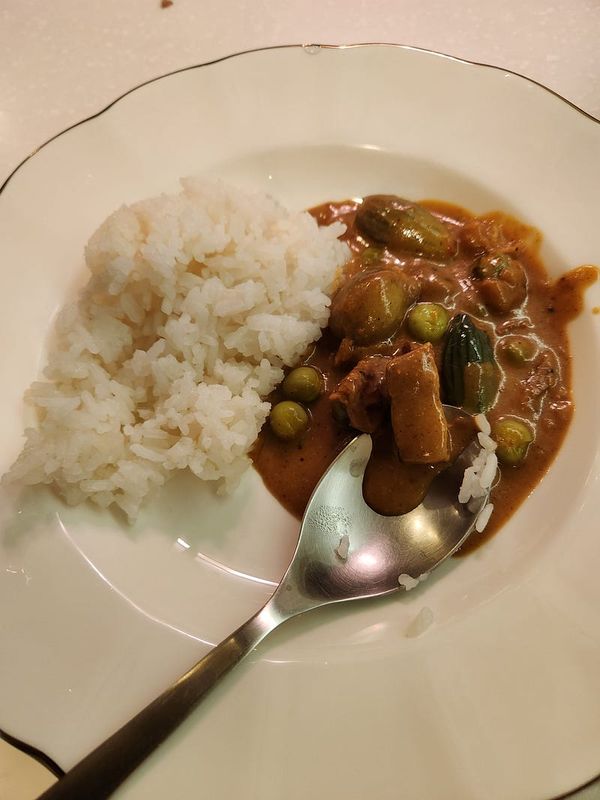
It was 100% functional however, so I couldn’t complain, especially after seeing the menu! Good food makes up for a lot of things. From a country that produces almost 80% of the world’s spices, it’s no surprise that people in India value tasty food! I was also blown away that there were more vegetarian options than non-vegetarian options. India is the most vegetarian friendly country I’ve ever visited, bar none.
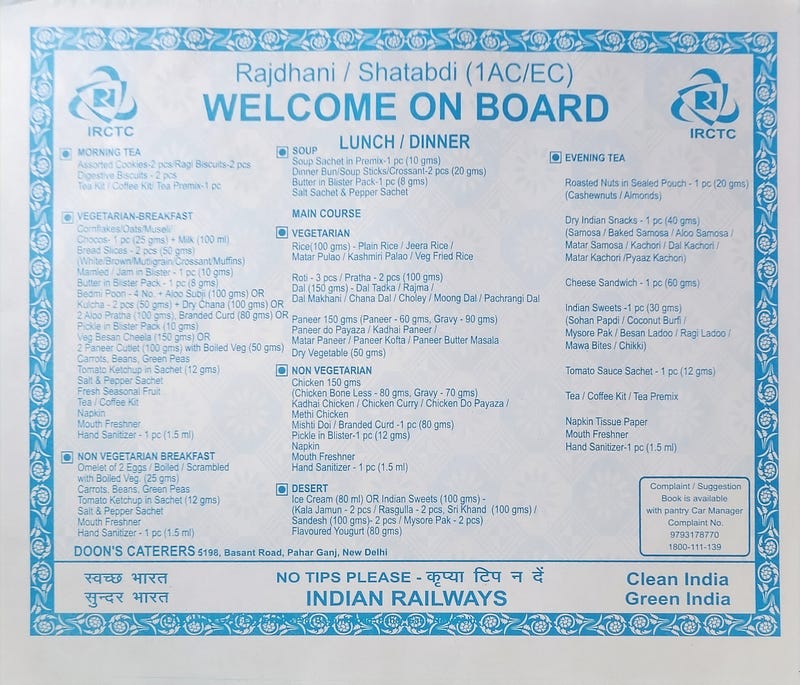
Every country has their own culture and traditions around trains, and it usually involves food. I’ve long been aware of Japan’s obsession with ekiben — regional lunch boxes sold at train stations. I had no idea India was equally obsessed with train food. From my research (through cookbooks), each region’s train station has its own unique, specialty chaat — street snacks — showcasing the region’s culinary traditions. In Delhi, you have aloo chaat — a bowl of aloo (or potato) and chickpeas topped with yogurt, chutneys and various spices and herbs. In Agra — where you’ve got to pilgrimage to see the Taj Mahal — they sell tokri chaat. These deep-fried baskets made of potato are filled with vegetables garnished with yogurt, chutney, and spices. In Jaipur, the Paris of India, you have the raj kachori — a dish I’ve waxed poetic about in a previous post.
Sadly, I’ve tasted none of the chaats at the train stations. As much as I’d like to, a bout of food poisoning would’ve ruined our trip, and it simply wasn’t worth it. We stuck to food from reputable spots and thankfully didn’t experience any disruption to our travels.
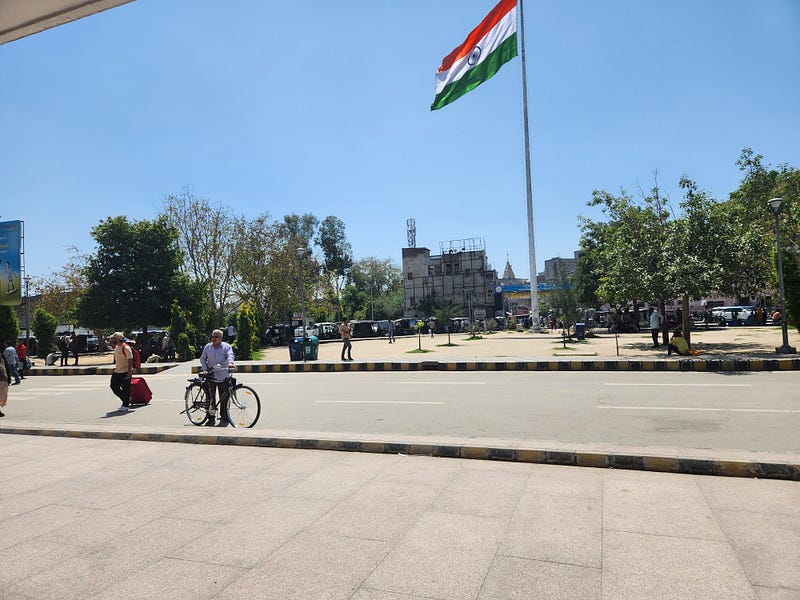
Once we arrived in Jalandhar, we knew our trip was about to get even better. People seemed more genuine. Gone were the big city charlatans in Delhi pouncing at you to sell you something overpriced. We were excited to see a more down-to-earth side of India. More to come in my next post!