Korean Wild Chives, Dallae (달래)
Korea never ceases to surprise me. Chives in the West are never sold with roots, but as I was wandering in the department store for new…
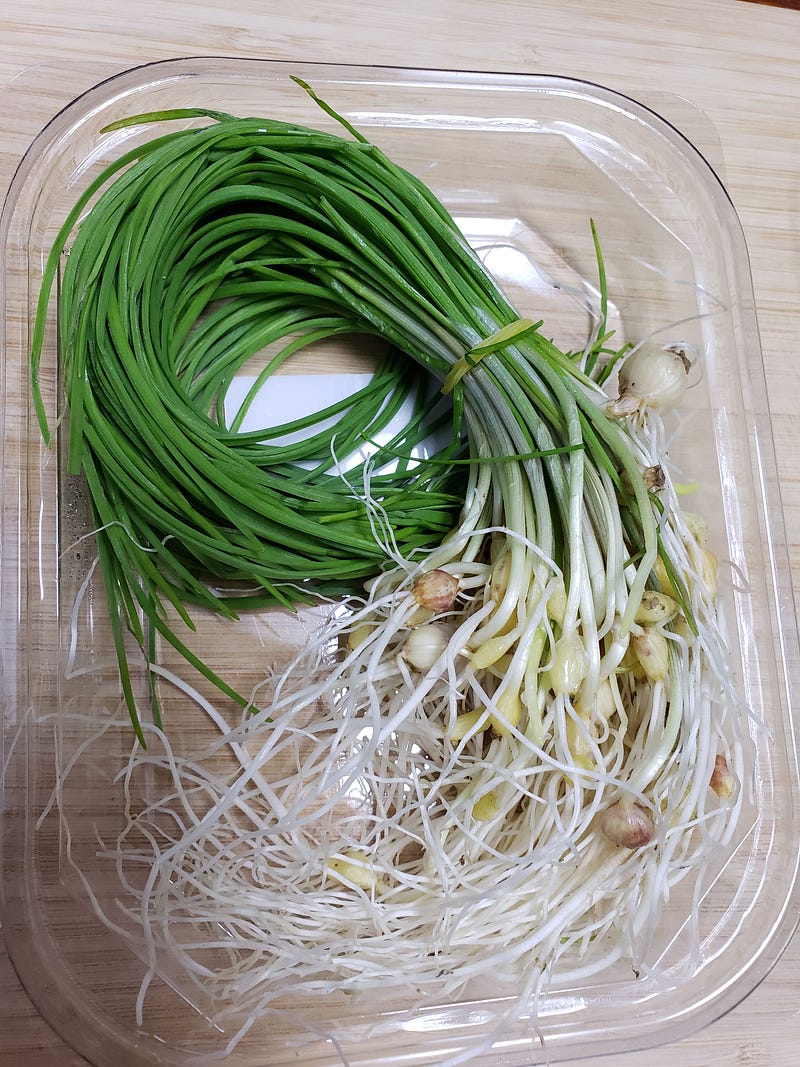
Korea never ceases to surprise me. Chives in the West are never sold with roots, but as I was wandering in the department store for new culinary discoveries (yes, all department stores in Korea and Japan have premium groceries in the basement), I spotted a box of plucked seedlings that seemed ready for spring planting. Though they didn’t exactly scream fresh produce, I was keen to experiment.
I guess it shouldn’t be that bizarre to eat the roots of chives. Some of our most beloved vegetables are roots after all! Think potatoes, onions, yams, garlic… I could go on. So why did it feel so weird to find chives with roots? Why roots? Somehow, the chives with their roots really stumped me. I wasn’t sure how to process this new plant. As usual, Google and YouTube to the rescue…
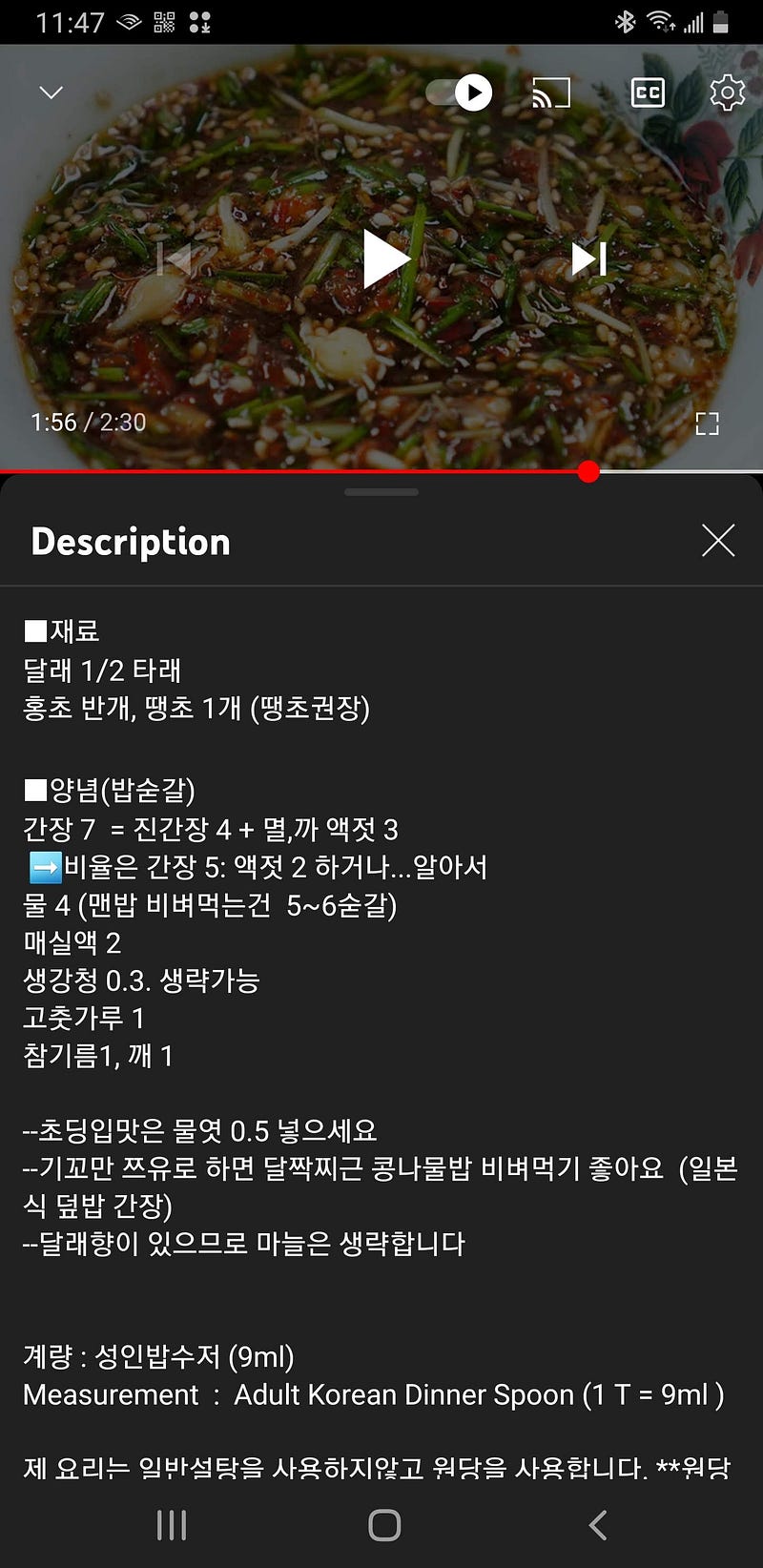
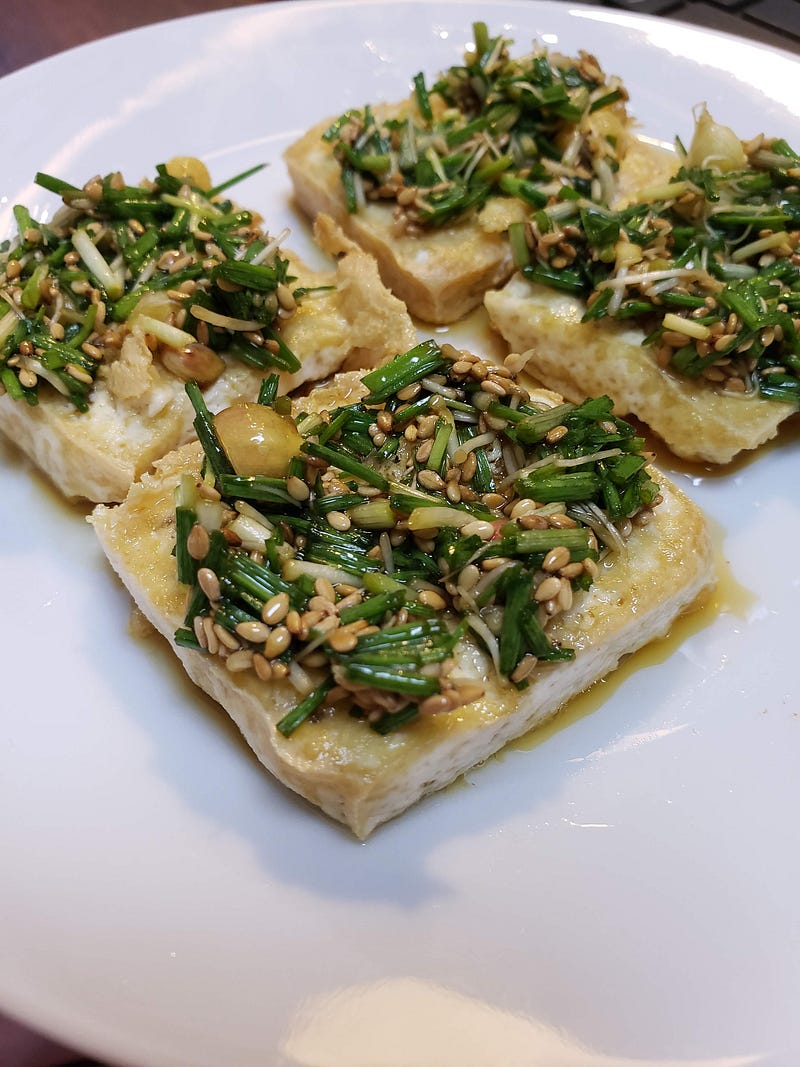
What I found was that Koreans simply chop it up and toss it in a sauce composed of soy sauce, vinegar, chili pepper, garlic, onion, sesame oil and sesame seeds. They then use this sauce to garnish fried tofu. That seemed like the most popular preparation I could manage in my nano-sized kitchen.

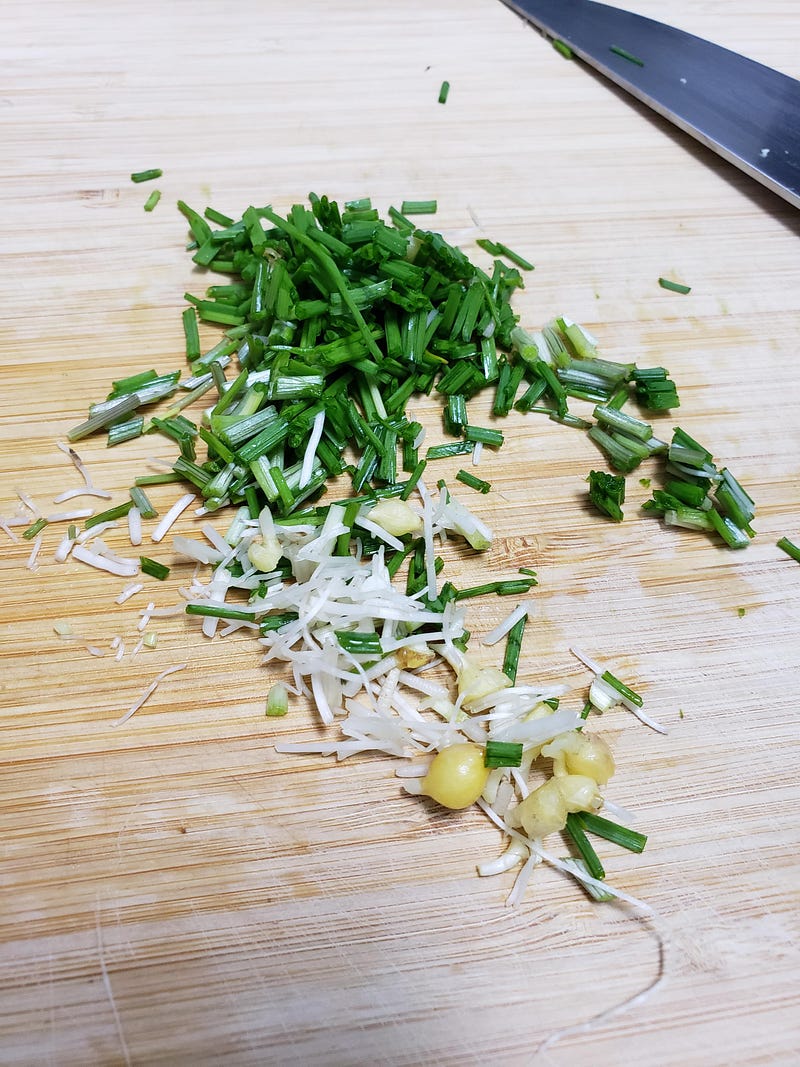
As I chopped the chives, I noticed some root nodules that resembled baby onion bulbs. Do chives store energy in their roots? Could there be a burst of amazing flavor? I was anxious to try.
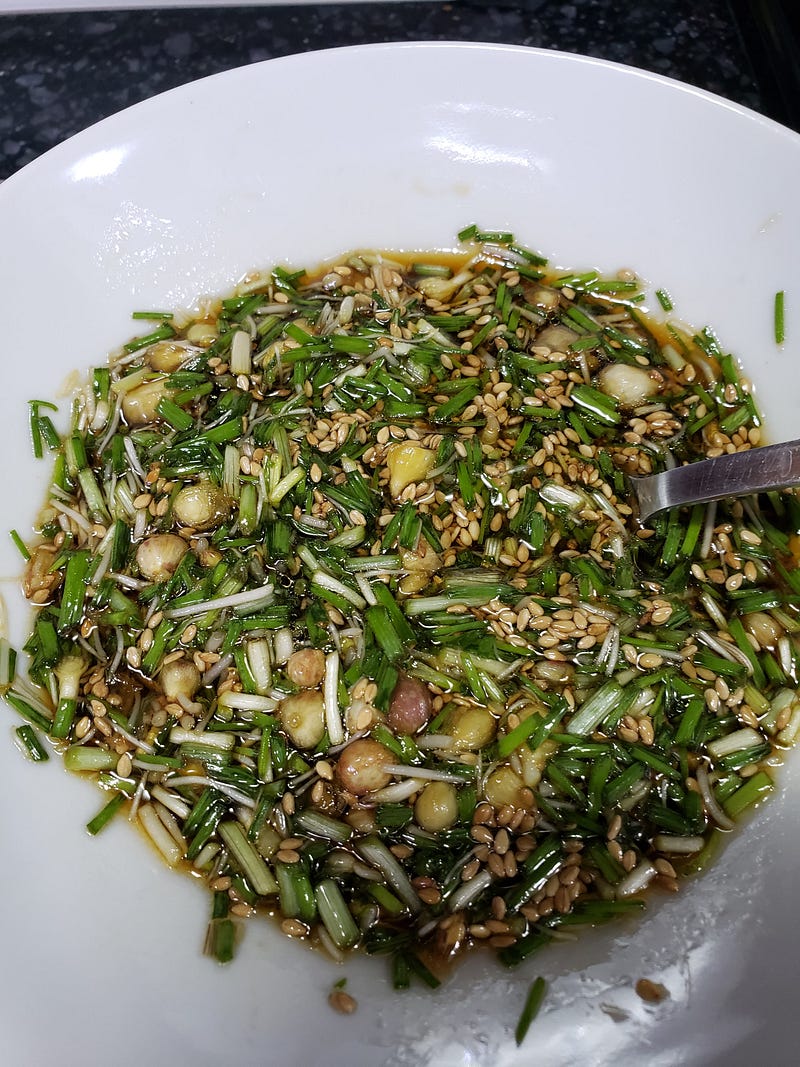
It turns out Korean wild chives, or dallae (달래), are very mild. Nothing like the chives I’m used to. If it wasn’t classified as chives, I wouldn’t even consider it an herb. It has a very light chive flavor. Think of regular chives, but at 15% potency. That’s probably the best way I can describe it. It also means you can eat a lot of this stuff and not overdose on its flavor. I piled it onto my fried tofu and it was delicious! Perhaps the roots mellow out the flavor? I don’t know. The root nodules turned out to be a bit crunchy — which added more to the texture than anything else. All in all, it has a subtlety that is evocative. I can see it maybe in a French omelet in the future…