Lion’s Mane (노루궁뎅이버섯)
When I first met my husband, he avoided mushrooms because his brother told him that they were cultivated on a substrate of sewage. He…
When I first met my husband, he avoided mushrooms because his brother told him that they were cultivated on a substrate of sewage. He especially hated the strong aroma of dried shiitake mushrooms. I, on the other hand, grew up loving them. When my parents moved to the US, we were warned, like many Chinese immigrants, not to pick and eat wild mushrooms in California because eating them might land you in the hospital. Still, my parents managed to educate me to be mushroom literate.

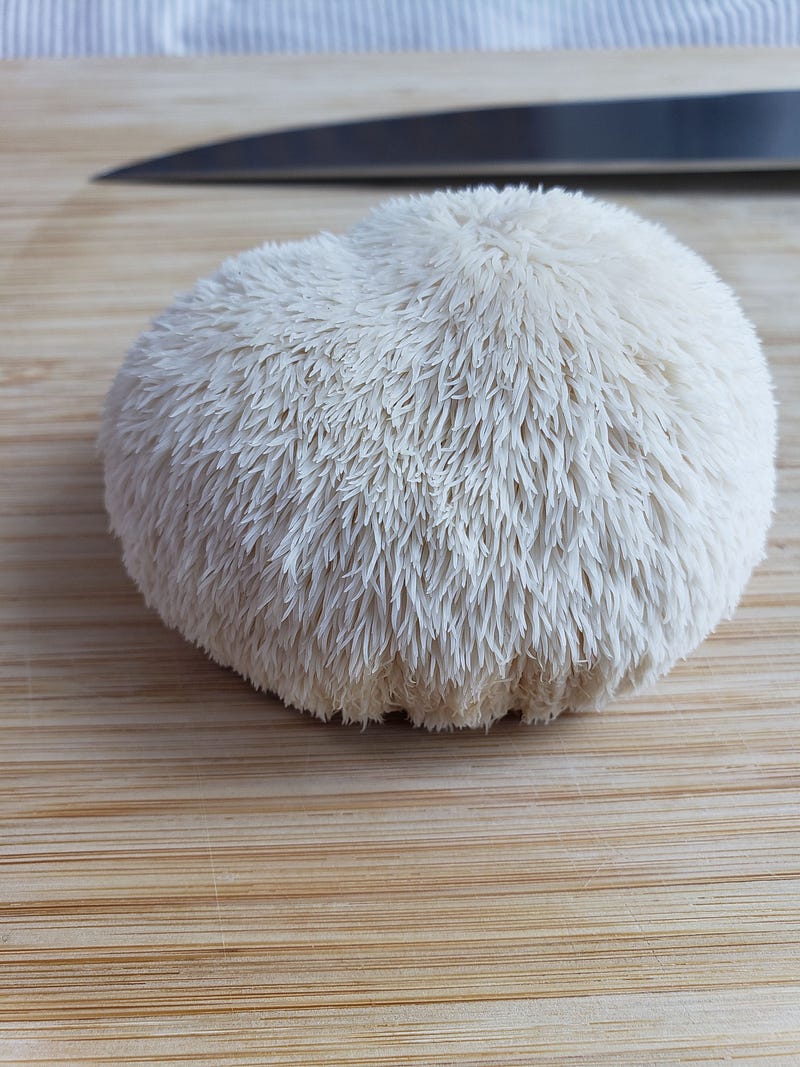
So, when I saw lion’s mane available, I immediately pounced on it. In Korea, they call lion’s mane nolugungdeng-ibeoseos (노루궁뎅이버섯), which literally translates to “roe deer butt mushroom,” and when you search for pictures of roe deer butts, you can see the resemblance (see below). Koreans have an excellent sense of humor.

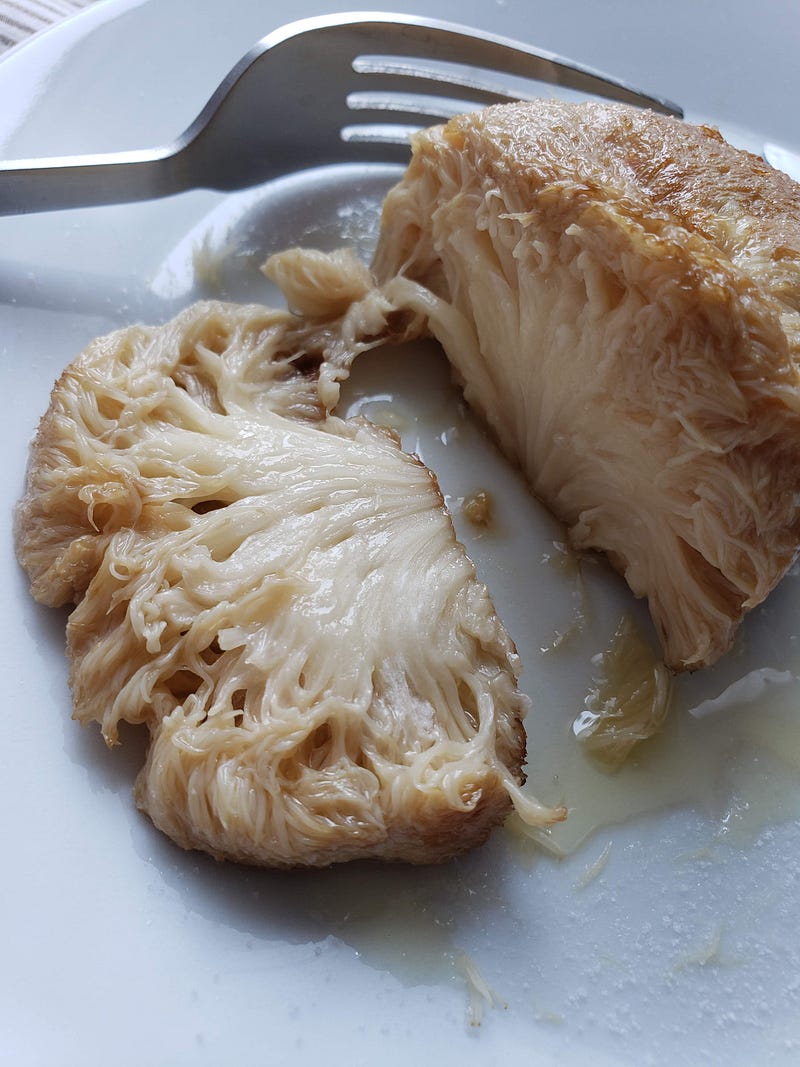
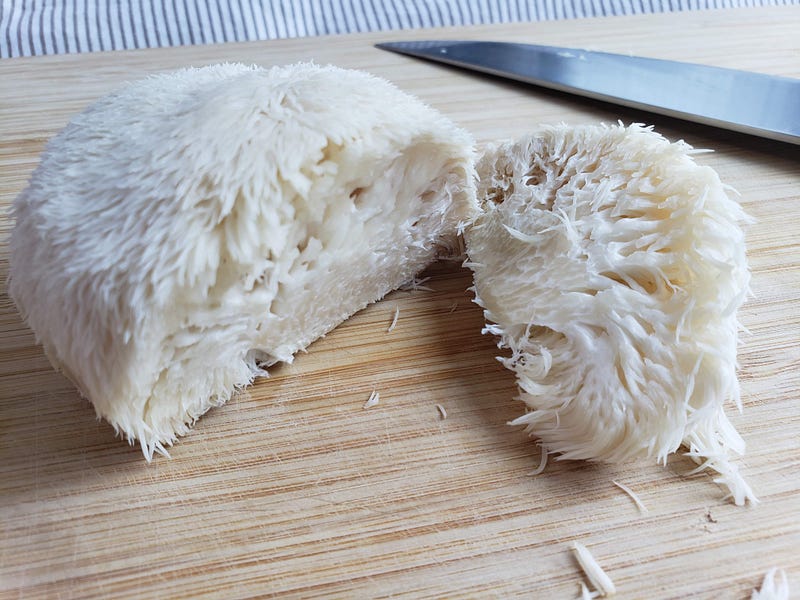
I wanted to prepare the mushroom in the traditional Korean way and my new friend here recommended that I thinly slice it and keep it simple: eat it with salt and Koreans’ prized sesame oil. Perhaps, something was lost in translation. When I tried to slice it thinly, it immediately started to fall apart, the texture was almost like a flaky fish filet (or at least that’s how I imagine it; I don’t eat fish). I knew this suggestion wasn’t going to work, so I decided to go with the time tested-method of searing.
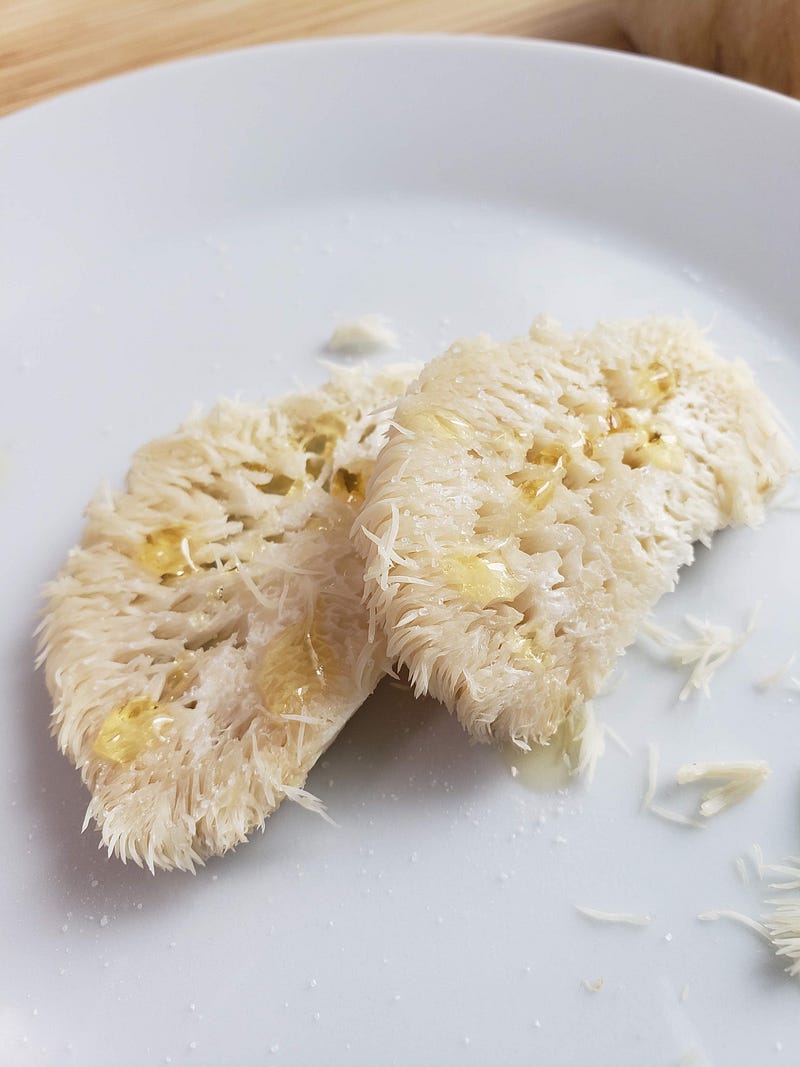
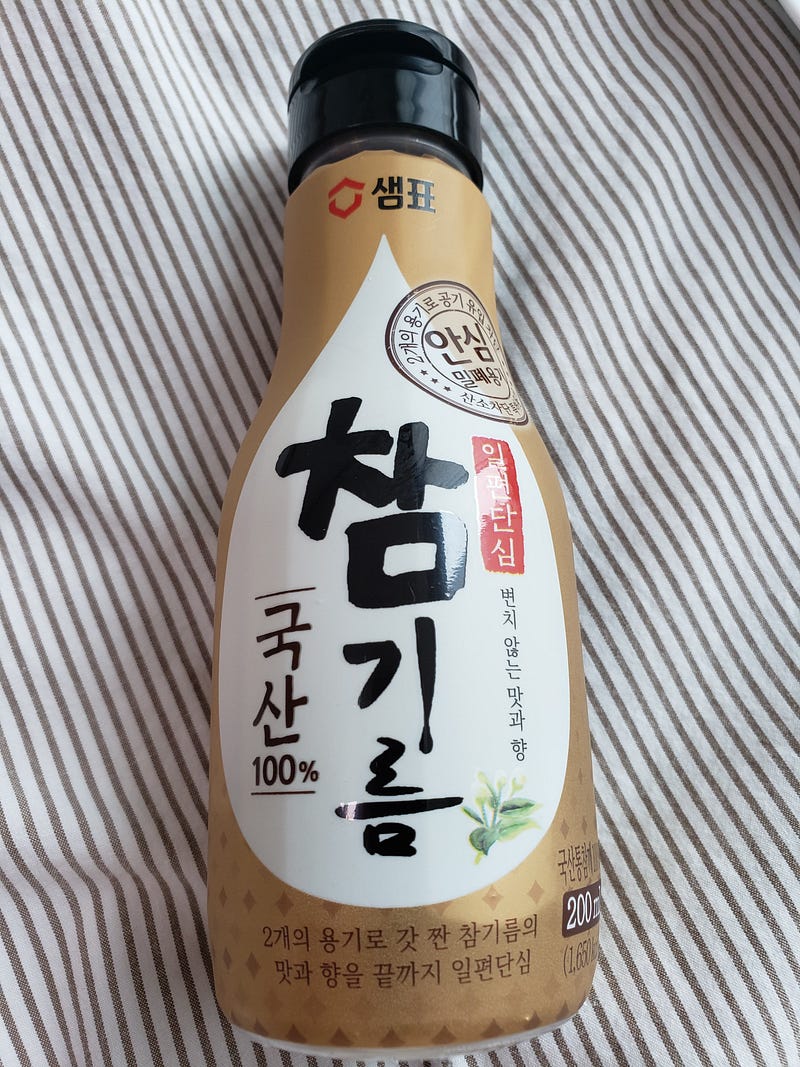
After a nice browning on all sides, the mushroom was oozing a ton of juice. It’s probably the juiciest mushroom I’ve ever had, but I can’t say I love the taste. It’s a little bitter, almost a mild medicinal flavor. The texture is spongy. I much prefer a nice king oyster or chanterelles. Or perhaps I’m not doing this mushroom justice with my ad hoc preparation.
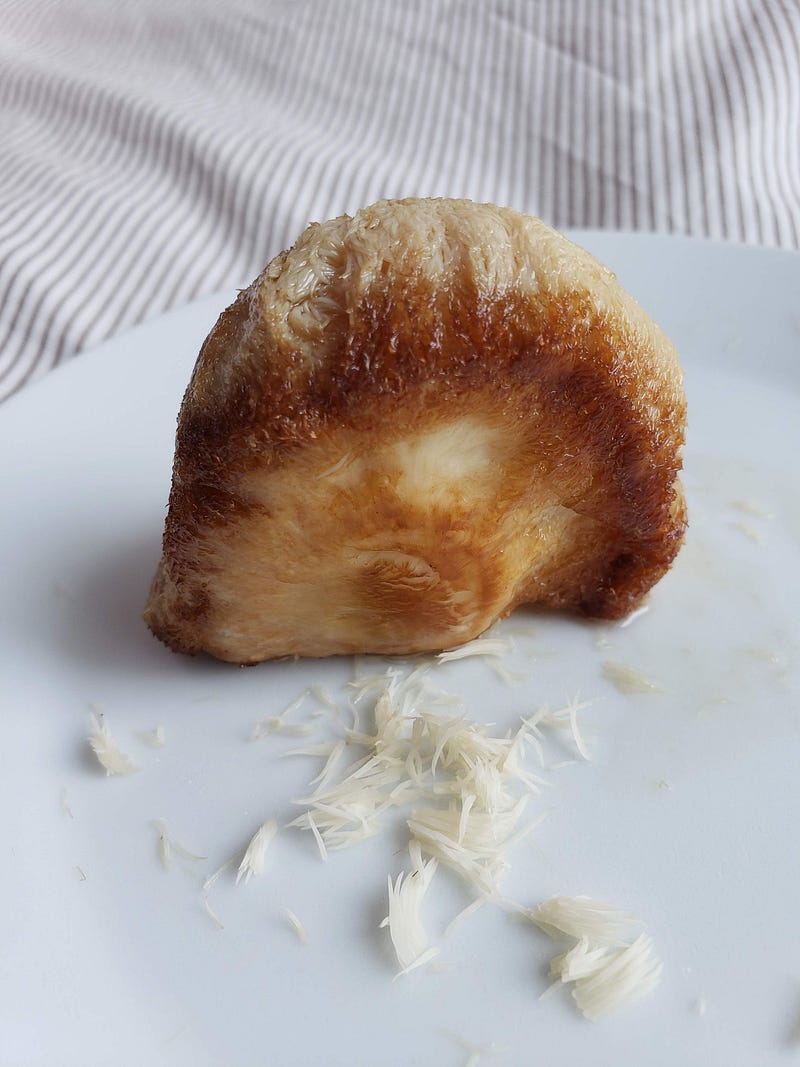
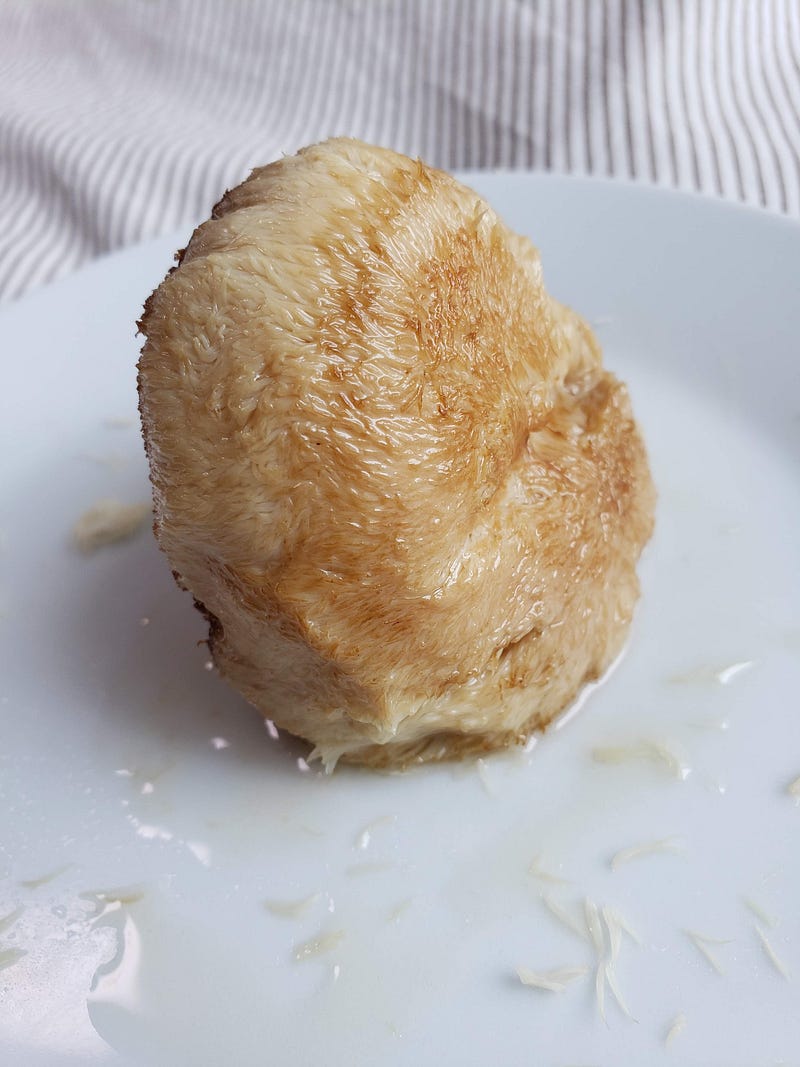
As a post-mortem to my failure, I found a video recipe that shows the mushroom being ripped apart, not cut, which makes a ton more sense. The chef also takes advantage of the mushroom’s juiciness to make a thick sauce cooked with onions, peppers, chicken, and shrimp, a beautiful, translucent gravy that goes on top of cooked rice. Bingo! This is a much better way of preparing lion’s mane. No time for me to try it again here in Seoul, but I can easily grow some lion’s mane on my own and make this dish whenever I crave some authentic Korean cuisine!