Raspberry Imposter!
Imagine the look and texture of raspberry, but the sweet taste of a distinctive herbal fruit. Korean raspberries are not like the…
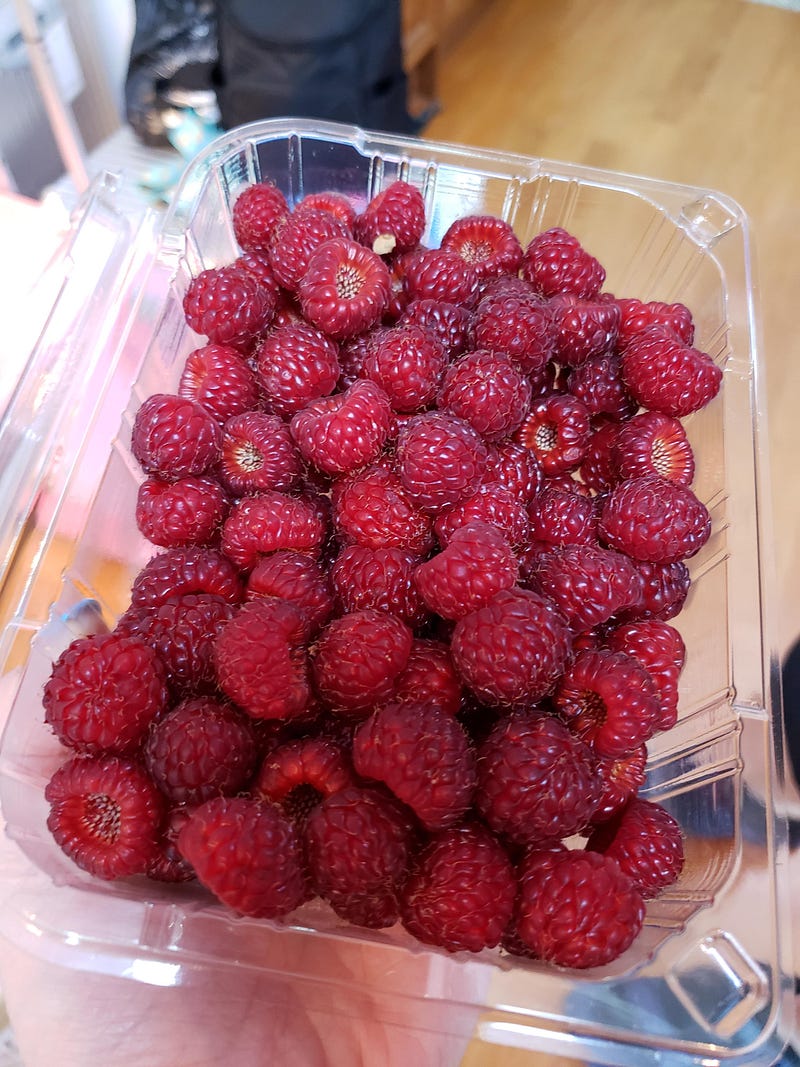
Imagine the look and texture of raspberry, but the sweet taste of a distinctive herbal fruit. Korean raspberries are not like the raspberries I know in California. I expected a tangy explosion of juice in my mouth. Instead, I was pleasantly surprised by a light sweetness that I can’t describe. The color of the Korean raspberry is darker than I’m used to, and they seem to be more durable. Most raspberries at an American supermarket are either already moldy or will be within 24 hours of purchase.
So how is it eaten in Korea? It was hard to find anything in English, but I did find a YouTube recipe showing it made as a dessert. It’s a simple dish made of rice flour and Korean raspberry jam. Unfortunately, there are few Asian sweets I find appealing, so I’m not particularly motivated to try making this dessert.
I can imagine Korean raspberries made into a nice jam that could go well on a piping hot scone. It might pair well with chocolate. Sadly, I think it lacks the tartness that adds the contrast necessary in desserts. It also doesn’t have a super strong flavor that one can highlight, so honestly, I’m not sure what this fruit is good for….
When in doubt, make wine! That’s what they do here. Bokbunja-ju (복분자주) is a wine made from these raspberries. Since arriving, we haven’t had a drop of alcohol, but I’m intrigued by this fruit wine. Perhaps I will make a post about Korean wines! :)